Perisher Travel Guide: Planning Your Snowy Mountains Ski Trip

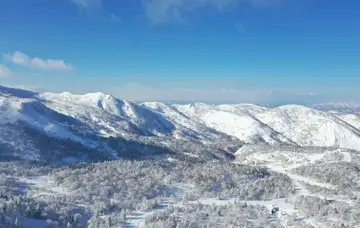
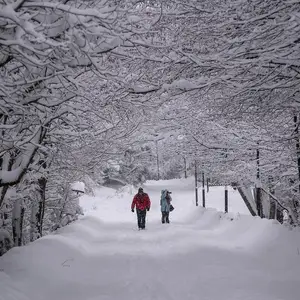
Snowy forest.

Everything You Need to Know Before Visiting Perisher

Perisher covers around 1,245 hectares of skiable terrain across four connected resort areas. That makes it the largest ski resort in Australia, and in the Southern Hemisphere. It also means the area you choose, the way you get there and the week you book will shape your holiday more than most people expect.

Skiing at Perisher works for a family whose children have never seen snow, and for a skier who wants a full day on steeper runs. Both are on the same lift network. This guide covers the four resort areas, how to get there, where to stay, when the season runs, and the practical details worth sorting before you arrive. It also looks at where Australian skiers head next, and why our resorts in the European Alps and Hokkaido have become a common answer once a domestic season has built their confidence.

Key Takeaways

  • Perisher is Australia's largest ski resort, with four linked areas covering about 1,245 hectares and 47 lifts.
  • Smiggin Holes has the gentlest beginner terrain, while Blue Cow and Guthega suit stronger skiers.
  • Skiing at Perisher builds the confidence many Australians take to Hokkaido for deeper, more reliable snow.

1 - Exploring Perisher Ski Resort

Perisher Valley, Blue Cow, Smiggin Holes, and Guthega

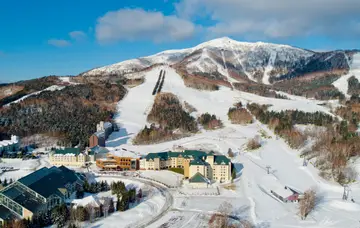
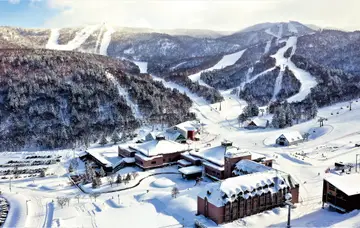
Four resort areas make up Perisher, linked by lifts and shuttles and covered by one pass. Perisher Valley is the largest and busiest, with the widest spread of runs and most of the dining. Smiggin Holes holds the gentlest beginner terrain, with sheltered slopes and an open bowl that first-timers find less intimidating. Blue Cow sits higher, and its green and blue runs suit skiers who can link turns. Guthega is the quietest, where the Freedom Quad chair reaches Guthega Peak at 1,924 metres.

Ski Terrain and Snow Conditions

Perisher has about 1,245 hectares of terrain served by 47 lifts, more than any other resort in the country. Most of it is green and blue, so the balance sits with beginners and intermediates. Australian snow is worth being realistic about. Conditions vary and warm spells happen, which is why the resort runs more than 240 snow guns across its lower slopes and beginner areas. That snowmaking is why a July trip can go ahead even in a quiet natural season, and late July through August usually brings the deepest cover. 

Ski Lessons, Family Facilities, and Snow Play

Perisher's Snowsports School runs group lessons for children from three to fourteen, and its Learn to Turn program is built for children who have never skied or snowboarded. Half-day kids' lessons run from 10am to 1pm and start from either Perisher Valley or Smiggin Holes, so you can base the family wherever the terrain suits. Smiggin Holes is where most first lessons happen, and the gentle pitch does a lot of the work. Adults new to snow have their own first-timer lessons on the same slopes. Tube Town, on the far side of Perisher Valley, has dedicated snow play with snowmaking and lighting. 

Activities Beyond Skiing

Not everyone in the party will want to ski every day, and Perisher is set up for that. Tobogganing has its own designated area, since it isn't permitted on the ski slopes. Cross-country and snowshoe trails run out into Kosciuszko National Park, with guided options through NSW National Parks. Perisher Valley holds the bulk of the cafés, bars and restaurants, and the après-ski scene is relaxed. Snow play, a long lunch and an afternoon watching the lifts is a legitimate way to spend a day. 

2 - Planning Your Perisher Holiday

Getting to Perisher

Perisher sits inside Kosciuszko National Park, roughly six hours by road from Sydney and two and a half from Canberra. In winter, vehicles travelling into the park are generally required to carry wheel chains, and conditions can make fitting them mandatory. The alternative is the Skitube, Australia's only alpine railway, which runs underground from Bullocks Flat to Perisher Valley in about ten minutes. Services run every half hour or so, seven days a week in season, and you can change trains for Blue Cow. A free shuttle then connects Front Valley and Smiggin Holes. Park entry fees apply however you arrive.

Accommodation Options

You have two real choices, and they suit different trips. Staying in Perisher Valley puts you on the snow, which means no daily commute, first tracks in the morning and a short walk home when a child has had enough. Jindabyne is around forty minutes down the mountain, with a wider range of options across more price points, from apartments to houses that suit a group. The trade-off is the drive each morning and the chains that go with it, though the Snowy Mountains bus service runs between the two daily in season.

When to Visit Perisher

The season traditionally opens on the June long weekend and runs into early October, with 2026 scheduled from 6 June to 5 October. Early June can be thin, and the resort typically opens with whatever terrain snowmaking has secured. July and August are the most reliable months and also the busiest, because they carry the NSW and Victorian school holidays. If you can travel outside those weeks, the first half of September often holds good cover with shorter lift queues. Booking accommodation for the July holidays six months ahead is normal here.

Tips for First-Time Visitors

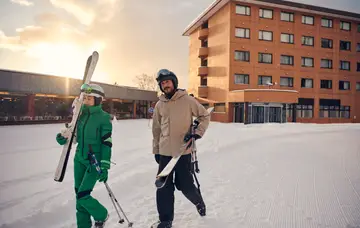
Buy lift passes online before you travel, because the ticket window is the slowest part of a first morning. Hire equipment in Jindabyne if you want a calmer fitting and a wider size range. Dress in layers with a waterproof outer, and treat gloves, goggles and sunscreen as essential, since alpine glare is stronger than most people expect. Book lessons when you book your pass, particularly in school holidays when children's classes fill first. Then check the snow report and road conditions the night before you drive up. 

3 - Where to Go After Perisher: Your Next Ski Adventure

Ready for Your First Overseas Ski Holiday?

A season or two at Perisher tends to produce the same question. You can link turns, the children are confident on a chairlift, and you start wondering what deeper snow would feel like. Japan is where most Australian skiers look first, and the flight time is a large part of why. Hokkaido is around ten hours from the east coast, roughly half the journey to Europe or North America and without the connecting flights. For a family, that difference is often the one that decides it. 

Why Hokkaido Is a Favourite for Australian Skiers

Hokkaido sits in the path of cold air moving off the Asian mainland and gathering moisture over the Sea of Japan, which is the mechanism behind its snow. The result is frequent, dry, light snowfall through a season running from December into April. For an Australian used to watching a snow report anxiously, that consistency is the appeal. The terrain holds a family with mixed abilities, with wide groomed runs, tree skiing and long descents. Our guide to Hokkaido's ski resorts compares the main areas, where to ski in Japan takes the wider view, and things to do in Niseko covers the best-known of them. 

Experience All-Inclusive Skiing with Club Med

Our European Alps and Hokkaido resorts work on a different model to booking a ski holiday piece by piece. At Sahoro, Tomamu and Kiroro, your lift pass, group ski and snowboard lessons, meals and kids' clubs for ages four to seventeen sit inside the one booking. Gourmet dining and evening entertainment are included, and the resorts are positioned for ski-in ski-out access, so the walk to the first lift is short. What that removes is the planning. You book once, and the decisions about group lessons, passes, equipment and seven nights of dinners are already made. 

Planning Your Next Snow Holiday

Perisher is where a lot of Australian families learn, and that grounding is worth having before you commit to an overseas trip. Once everyone can get down a blue run without thinking about it, a week in Hokkaido stops being ambitious and starts being straightforward. The booking window matters more than people expect. January is the busiest month for Australian families in Japan because it lines up with the summer holidays, and rooms are typically taken seven or eight months ahead. The middle of the Australian ski season is the time to look. 

4 - From Perisher to Your Next Snow Adventure

Continue Your Ski Journey with Club Med

Perisher earns its place as the resort most Australians learn on. Four connected areas, 47 lifts and the country's largest spread of terrain mean a family can put a beginner and a confident skier on the same mountain and have both come home happy. Add the Skitube, a proper ski school and a snow play area, and it does more than enough for a domestic week. 

What changes as confidence builds is what you start looking for. Deeper snow, a longer season, and a holiday where the logistics are not yours to solve. Our resorts at Sahoro, Tomamu and Kiroro were built for that point in a skier's progression, with passes, group lessons, meals and kids' clubs handled in one booking. 

Discover Club Med's all-inclusive ski resorts in Hokkaido when you start planning next winter's snow holiday. 

Discover Our Ski Resorts

See all resorts

Frequently Asked Questions

Discover more about Club Med

Our most popular resorts