Furano Ski Guide: Powder, Lavender Fields and Hokkaido's Hidden Gem

Why Furano Is One of Hokkaido's Best-Kept Ski Secrets

Furano gets less snow than Hokkaido's headline resorts, around eight to nine metres a season. It is also the mountain central Hokkaido regulars keep returning to, because what falls here is drier and lighter, and far fewer people are competing for it. 

The mountain has a 964-metre vertical, one of the biggest on the island, and 28 runs across two connected zones. This guide covers the terrain, the ski school, what to do off the snow, and how to get here, plus the lavender season that makes Furano a summer destination as well. It also covers where to base yourself, because Club Med Tomamu sits close enough to put Furano within day-trip reach. 

Key Takeaways 

  • Furano has a 964-metre vertical drop and 28 runs across two connected zones. 
  • Furano's snow is drier and lighter than the Hokkaido average, with the best powder from January to mid-February. 
  • Club Med Tomamu works as an all-inclusive base for central Hokkaido, with Furano an easy day trip.

1 - Skiing at Furano Ski Resort

Dry Powder Snow and Varied Terrain

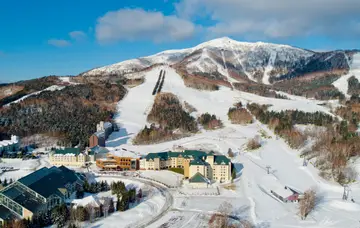
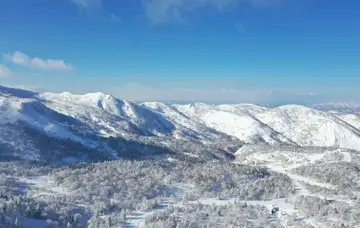
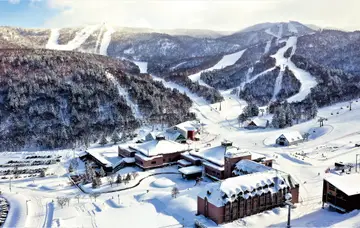
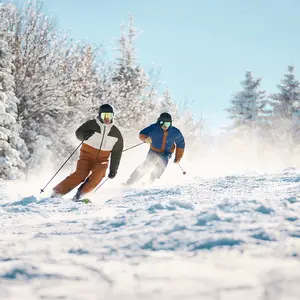
Furano ski resort receives around eight to nine metres a season, less than the island's best-known mountains, and the snow is noticeably drier for it. The runs drop from 1,209 metres to a base at 239, a vertical of 964 metres that is among the largest in Hokkaido. Its 28 courses spread widely enough that a mixed group works: long groomed cruisers for intermediates, short sharp pitches near the top for stronger skiers, and gentle lower slopes for beginners. Lift queues stay short even in February. 

Family-Friendly Facilities and Ski Lessons

The ski school runs group and private lessons in English, with children's programs and a separated beginner area at the base. Rental is available on the mountain, and sizing for children is reliable. What makes this a sensible first trip to Japan is the scale. The two base areas are small enough to cross on foot, signage is clear, and you are not learning a sprawling multi-village lift system on day one. Staff are well used to Australian and New Zealand families. 

Things to Do Beyond the Slopes

There are more things to do in Furano than the mountain suggests. Furano Marche is the town's produce market, good for local snacks and souvenirs. The Furano Cheese Factory has free entry, viewing windows onto production, and butter-making workshops. Ningle Terrace is a set of wooden artisan cottages lit along a forest path after dark. For hot springs, Tokachidake Onsen sits higher than any other in Hokkaido, about forty minutes away. 

Visiting Furano in Summer

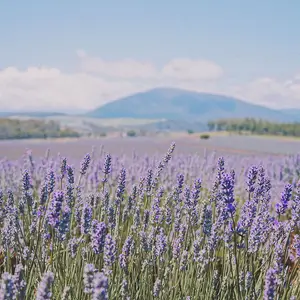
Furano's second season is arguably better known than its first. Farm Tomita, growing flowers here since 1903, draws more than a million visitors a year to lavender that blooms from late June to late July and peaks in the middle weeks. Entry is free. Beyond lavender the farm runs poppies, marigolds and salvia in stripes through to October. Cycling, hiking and the Blue Pond at nearby Biei fill out an itinerary, and the things to do in Furano barely overlap between the two seasons. 

2 - Planning Your Furano Holiday

Getting to Furano

Most Australian and New Zealand travellers arrive through New Chitose Airport near Sapporo, roughly two and a half to three hours away by road, train or ski bus. The train route involves a change at Sapporo. Asahikawa Airport is far closer at about forty minutes and worth checking if your routing allows it. A hire car gives you flexibility in winter, though the regional bus and shuttle network covers the area well.  

Where to Stay

Accommodation around Furano ski resort splits between the two base areas and the town itself. Staying at the Kitanomine base puts you closest to the lifts, which suits a short trip built entirely around skiing. Hotels and pensions in Furano town sit a few minutes' drive out and give you the restaurants, the market and the evening options. The trade-off is the familiar one: convenience on the snow, or more to do off it. Either books out well ahead for January and February.

When to Visit Furano

The Furano Zone runs from late November into early May, one of the longest seasons in Hokkaido. The Kitanomine Zone opens later, around late December, and closes in late March. For powder, January through mid-February is the window and the snow is at its driest. March brings softer conditions, longer days and quieter slopes. If lavender is the draw, July is the only real answer, and the middle two weeks are the peak. 

Tips for First-Time Visitors

Buy lift passes online where you can, and check which zones your pass covers, since the two areas run different opening dates. Pack warmer layers than you would for an Australian or New Zealand season, because central Hokkaido runs colder and drier than the coast. Book rental and lessons ahead for January and February. Cash is still useful in smaller venues in town. Then check the forecast the night before and pick your zone. 

3 - Explore Central Hokkaido with Club Med Tomamu

Discover Hokkaido's Powder Belt

Central Hokkaido sits inland from the coastal resorts, and that geography is why the snow is drier here. Cold air crossing the Sea of Japan drops much of its moisture before reaching this part of the island, so what arrives is lighter. Furano and Tomamu both sit in that belt, close enough that a daily shuttle links them, and they complement each other rather than compete: different mountains, the same snow, neither of them crowded. Our guide to Hokkaido's ski resorts maps the wider region. 

Stay at Club Med Tomamu and Explore Furano

Tomamu works as a base for the region rather than only somewhere to sleep. You get the all-inclusive week, covering the lift pass, meals, group lessons and kids' clubs, with Furano available as a day trip when you want a different mountain. A shuttle runs from Tomamu to Furano in the morning and back in the afternoon. It does not quite get you there for first lifts, so plan a relaxed start. Our Japan ski destinations page covers the rest of the island. 

The Benefits of an All-Inclusive Ski Holiday

Organising a Japan ski trip independently means accommodation, lift passes, lessons, rental and a week of dinners booked in five places, often in Japanese. Our package covers accommodation, all meals, the open bar, the lift pass, gear hire and group ski and snowboard lessons at every level, plus kids' clubs for ages four to seventeen and evening entertainment. Private lessons carry an additional cost. The resort sits at the foot of the slopes beside the lifts, with a rental shop and lockers on site. 

Planning Your Central Hokkaido Ski Adventure

The strongest version of this trip treats the region as one destination. A week at Tomamu with a day or two at Furano gives you two mountains, one booking and no transfers in between. If you are still deciding where in Japan to go, where to ski in Japan sets out the options, and Kiroro versus Niseko compares the two areas most Australians consider first. 

4 - Experience the Best of Central Hokkaido

Plan Your Hokkaido Ski Holiday with Club Med

Furano rewards the traveller who looks past the obvious. A 964-metre vertical, 28 runs, some of the driest snow in Japan, lift queues that barely form, and a town with a market, a cheese factory and hot springs within reach. Then in July the same valley turns purple and fills with a different set of visitors entirely. 

Central Hokkaido is best seen from a base rather than a single mountain. Our resort at Tomamu covers the lift pass, meals, group lessons and kids' clubs in one booking, with the slopes at the door and Furano a shuttle ride away. 

Discover Club Med Tomamu and experience Hokkaido's powder belt without the planning. 

Discover our Resorts in Hokkaido

See all resorts

Frequently Asked Questions

Discover more about Club Med

Our most popular resorts